Table of Contents:
Top Picks!
Related Stories

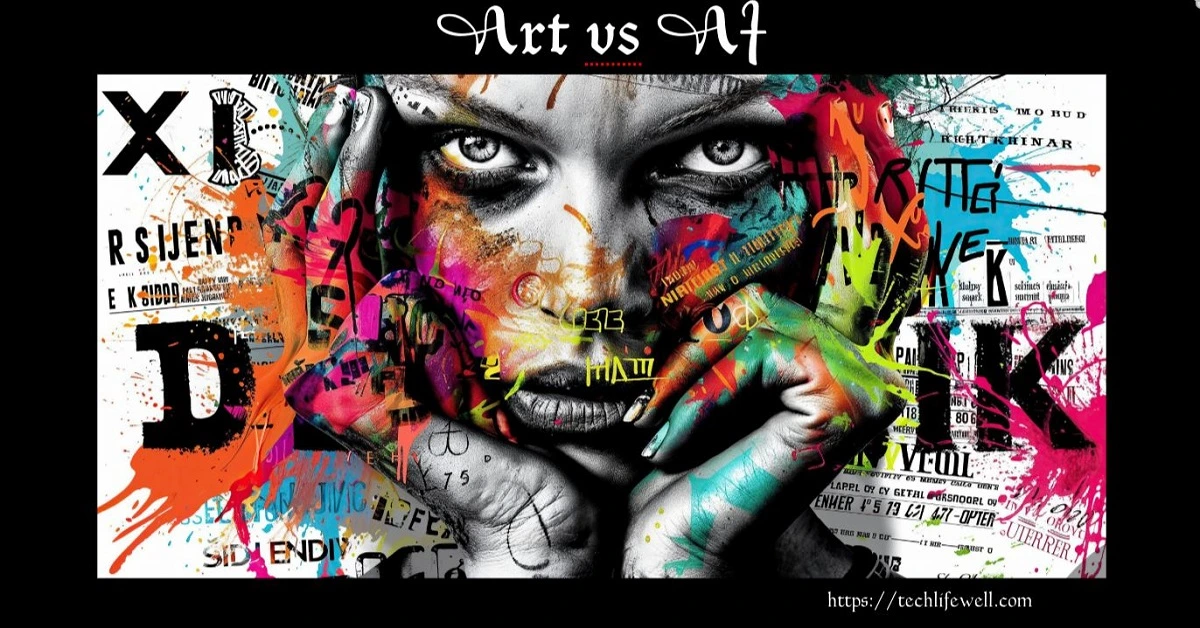
Walk into any online art forum today and you’ll notice it almost immediately debate over Art vs Ai: frustration, fear, and sometimes outright hostility toward artificial intelligence—especially generative AI. It’s easy to dismiss this as resistance to change, the same way every generation side-eyes the new tools that come along.
But the reality is far more complex. Creative people aren’t just being stubborn. They’re responding to a technological shift that is touching something deeply personal: their identity, their livelihood, and their place in a culture that feels like it’s being rewritten beneath their feet.
This isn’t the first time new technology has disrupted art. The tension between human creativity and machine innovation has a long, fascinating history. And if we want to understand why so many artists, writers, musicians, and designers are upset with AI today, we have to explore how we got here.
The Fear Isn’t “New Tech”—It’s What This Tech Is Doing to Them!
Image Credit – Adobe Creative Cloud
Most creatives aren’t anti-technology. They use Photoshop, Procreate, digital cameras, DAWs, tablets, editing software, 3D programs—you name it. The issue isn’t the tool itself.
The issue is what generative AI represents:
Their work was used for training without consent.
Models can mimic their style in seconds.
Clients may now prefer “good enough” AI outputs over paid professionals.
Artists weren’t compensated for the datasets built on their backs.
The industry feels like it’s changing too fast for humans to adapt.
Surveys show this duality clearly. Creatives use AI—but also fear it. Many are excited by its potential while simultaneously worried they’re training the very tool that may replace them.
A Flashpoint: The Sense of Being Extracted, Not Supported!
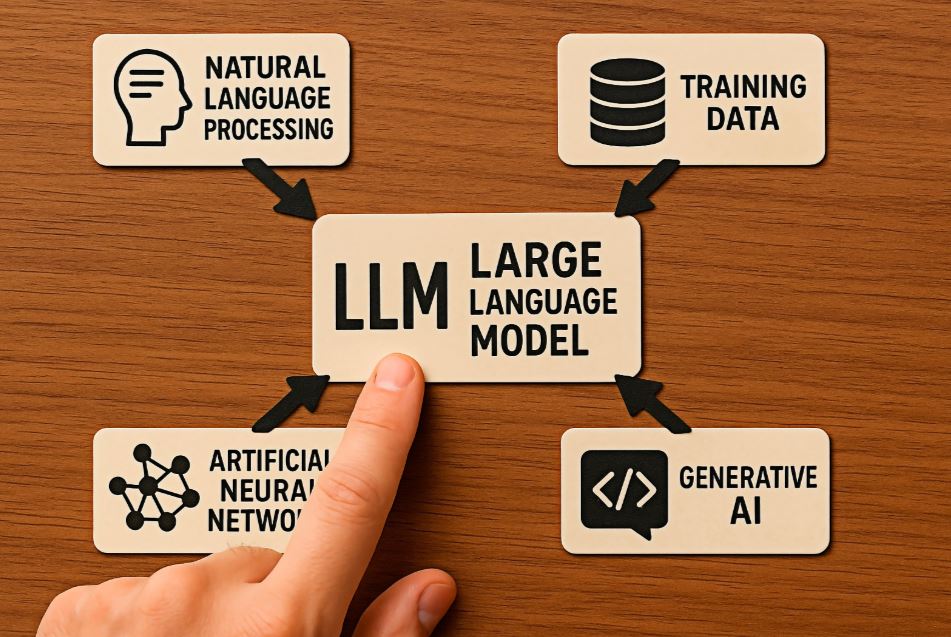
Image Credit – Adobe Creative Cloud
One of the biggest drivers of resentment is how the major AI models were built: by scraping the internet for billions of images, illustrations, texts, and songs. Included in that data were:
working artists’ entire portfolios
copyrighted illustrations
proprietary stock images
writers’ blogs and books
photographers’ licensed collections
Many creators discovered their work had been used only after lawsuits began to surface.
So when someone types “draw in the style of ___” and gets shockingly accurate results, the artist behind that style feels violated. Years—sometimes decades—of personal development have turned into a downloadable preset.
AI didn’t just arrive; it arrived already trained on them.
This isn’t theoretical. It is now the basis for major lawsuits from artists, photographers, writers, and publishers worldwide. There is a real sense that the value of human creativity has been mined, monetized, and repurposed without permission.
It Didn’t Start With AI: Creativity Has Always Collided With New Tech!
To understand today’s backlash, it helps to look backward.
The Luddites weren’t anti-machine—they were pro-worker
In early 19th-century England, the Luddites protested factory machines not because they hated innovation, but because the machines were used to replace skilled artisans with cheap labor. The result was wage cuts, job losses, and loss of dignity.
Replace “loom” with “AI model,” and you see the parallel.
Photography vs. painters
When photography arrived in the 1800s, painters who made a living doing portraits saw their market collapse. Why hire a painter when a photo studio could capture an image faster and cheaper?
Photography didn’t destroy painting—but it did reshape the profession forever.
Synthesizers and drum machines
When synths first appeared, many musicians feared they would replace human instrumentalists. Some bands boasted “No Synthesizers!” on their album covers as a badge of honor.
Eventually, synthesizers became part of the musical landscape. But certain jobs—session string players, drummers, studio musicians—were reduced or replaced.
Auto-Tune
When Auto-Tune took over pop music, critics said it “ruined authenticity.” It didn’t—but it did redefine what the public considered a professional vocal.
History shows this: creative fields always push back when a new technology threatens the identity or income of creators.
AI is just the newest, biggest, fastest example.
The Market Pressure Is Real—Not Imagined
Creators are not simply afraid of learning a new tool. They’re afraid of:
being replaced
being underpaid
being drowned out
being devalued
A global study recently predicted that tens of billions of dollars in creative income—music, illustration, audiovisual work—could be at risk within the next few years. Freelancers and gig workers, already in precarious positions, feel the danger most intensely.
The anxiety isn’t “AI is scary,” but “my client can now choose an AI over hiring me.”
And in many industries—advertising, concept art, stock photography, SEO writing—that is exactly what’s happening.
A Flood of Content: Quantity Over Quality
Image Credit – Adobe Creative Cloud
Another source of resentment is the growing avalanche of AI-generated content. Within months of widespread generative tools becoming available, the internet began filling with:
low-effort AI articles
AI stock images
AI “art” sold as original
AI-made books on Amazon
AI spam in search results
AI-generated ads and designs
For creatives who practice a craft, seeing algorithms overwhelm platforms with generic, homogenous, “good enough” output feels like a cultural loss.
It’s not just their job they fear losing—it’s the signal-to-noise ratio of culture itself.
Picture a world where handcrafted work becomes the exception and AI-content becomes the norm. For many, that’s already happening.
It’s Also About Power: Who Gains vs. Who Pays the Price
Much of the anger comes from the fact that:
big tech companies own the models
creators’ work is used to train them
the companies profit
the creators see no compensation
meanwhile, their work becomes easier to imitate and undercut
This is a familiar pattern from the history of mass media:
record labels owning master recordings
publishers taking most of the book revenue
studios controlling actors’ likeness rights
streaming platforms paying fractions of a penny per stream
AI feels like the next escalation of that imbalance.
One side sees AI as a tool for empowerment; the other sees it as extraction.
Is This Just Another Cycle of Resistance? Yes—and No
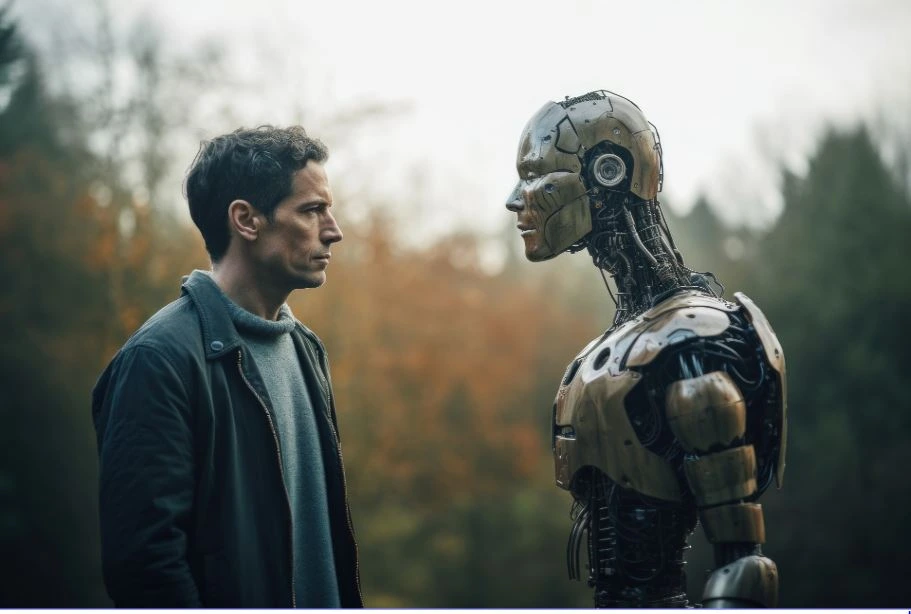
Image Credit – Adobe Creative Cloud
Technology always reshapes creative industries, and people have always resisted it. Over time, some new tools become universally accepted, even beloved.
But the AI backlash is shaped by unique factors:
The speed of change is unprecedented.
The scale of data extraction has never been this large.
The power imbalance between artists and tech companies is sharper than ever.
The economic precarity of modern creative work is already high.
The ethical lines around consent and copyright are still unclear.
So while we can say, “People resisted the camera and the synthesizer too,” the comparison is incomplete.
This time, the new tool doesn’t complement artists—it can replace them, imitate them, learn from them, and flood the world with alternatives to them.
That’s a deeper disruption than any tool in creative history.
Where This Might Go Next
Despite the backlash, most creators aren’t rejecting AI entirely. They are demanding:
transparency about training data
fair compensation
consent-based training models
legal protections
clear boundaries on replacement vs. assistance
And we’re starting to see movement:
lawsuits are forcing companies to reconsider how training works
governments are debating creator protections
platforms are experimenting with opt-in datasets
creative professionals are beginning to integrate AI into their workflow—carefully, and on their terms
The tension we see today is not the end of art. It’s the negotiation phase of a new era.
In the End, Creatives Aren’t Fighting Technology—They’re Fighting for Themselves
The anger toward AI isn’t ignorance or fearfulness. It’s about dignity, ownership, identity, and survival. It’s about preserving the meaning of human creativity in a world where machines can now imitate it with startling accuracy.
AI will not erase human art. But the way we handle consent, compensation, and ethics will determine whether the next decade feels like empowerment—or exploitation—for the creative world.
The future of creativity will be shaped not by the technology itself, but by how fairly and thoughtfully we decide to use it.
Blog Post Research & References, click to download copy: